Entry · Ref 5PO0TE9O
Roof Restoration vs Full Replacement: What ACT Owners Need
- Posted
- 2026-11-16
- Last amended
- 2026-11-16
- Account
- @johnnymdnz828
Canberra's climate places unique demands on residential and commercial roofs. From freezing winter mornings with heavy frosts to scorching summer heat waves exceeding 40°C, the Capital Territory experiences significant thermal expansion and contraction cycles. Over time, these conditions degrade roofing materials, leading property owners to face a critical decision: should they opt for a targeted roof restoration, or is a full roof replacement necessary?
Understanding Roof Restoration
Roof restoration is a comprehensive reconditioning process designed to extend the lifespan of an existing roof without altering the primary underlying framework. Rather than stripping the entire structure, specialized trades repair, clean, and reseal the existing surface. In the ACT, where terracotta and concrete tiles as well as metal deck roofing are common across established suburbs like Kambah, Belconnen, and Ainslie, restoration provides a cost-effective way to protect against the elements.
A typical restoration in 2026 involves high-pressure cleaning to remove moss, lichen, and dirt build-up, replacing cracked or broken tiles, repointing ridge capping with flexible polymer compound, and applying high-grade protective primer and thermal-reflective membranes. These modern coatings significantly enhance roof emissivity, helping ACT homes maintain regulated indoor temperatures and reducing household heating and cooling loads.
When Full Roof Replacement Becomes Necessary
While restoration offers undeniable financial advantages, it is not a cure-all. A full roof replacement involves removing all existing roof cladding, inspecting and repairing structural trusses and battens, installing new high-performance sarking, and laying brand-new materials such as contemporary Colorbond steel or modern roof tiles.
Replacement is required when the structural integrity of the roof has degraded beyond surface repairs. In older properties, untreated water penetration can cause structural timber rot, wood-boring insect infestations, or severe sagging in the roof line. Furthermore, homes built prior to modern building codes may feature degraded asbestos cement sheeting or lack adequate fall for rainfall runoff, making complete replacement the only safe, compliant choice.
Key Indicators for ACT Property Owners
Deciding between these two pathways requires assessing the age, material condition, and structural soundness of the property. Local homeowners should evaluate specific physical markers before scheduling a professional assessment.
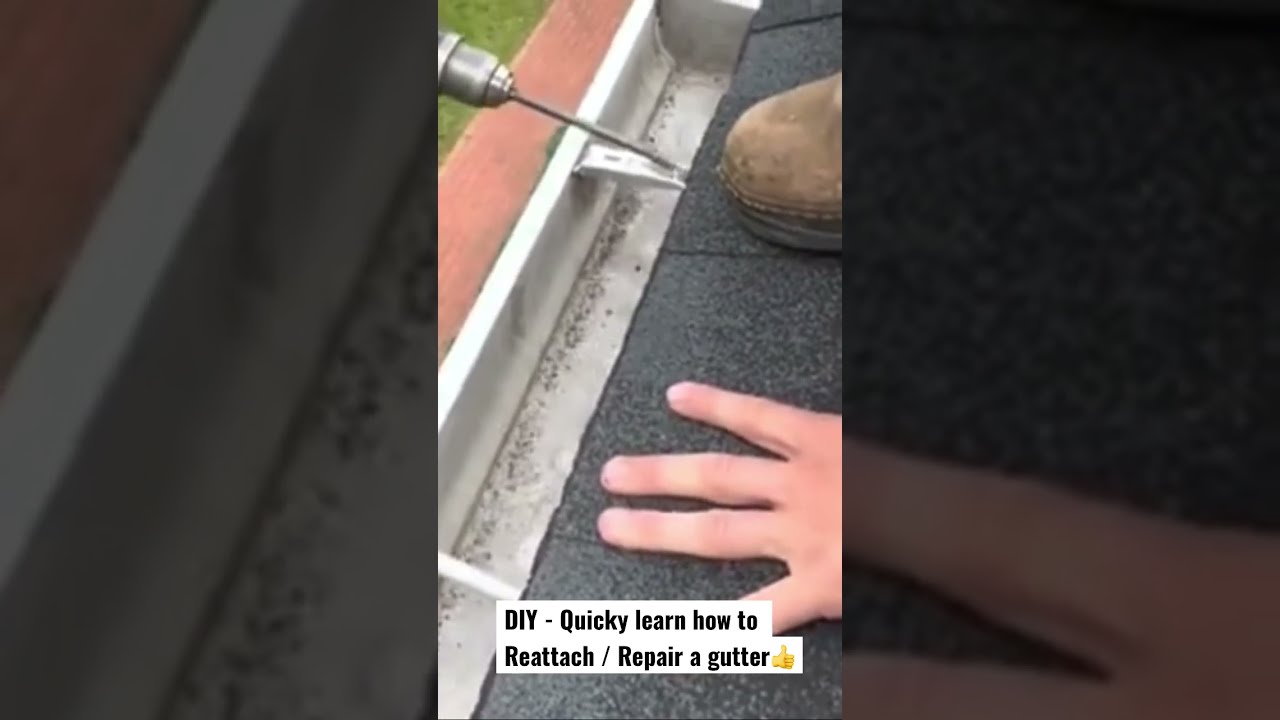
Indicators Suitable for Roof Restoration
- Intact Structural Framework: The underlying timber framing, trusses, and battens remain straight, dry, and free from moisture damage.
- Localized Leaks: Minor water ingress caused by individual broken tiles, perished bedding, or rusted valley irons that can be isolated and repaired.
- Surface Weathering: Faded paint, moss accumulation, or minor surface rust on metal sheets where the base metal has not thinned significantly.
- Manageable Material Age: Roofs between 15 and 25 years old that require preventive maintenance to prevent premature deterioration.
Indicators Requiring a Full Roof Replacement
- Extensive Structural Sagging: Visible depressions along the ridge line or dips in the roof planes indicating batten failure or truss deflection.
- Widespread Sheet Corrosion: Pervasive rust through metal sheeting, especially on low-pitch roofs where water pooling has corroded laps and fixings.
- Severe Brittle Failure in Tiles: Concrete or terracotta tiles suffering from severe fretting, moisture absorption, and widespread spalling caused by repeated freeze-thaw cycles.
- Energy Upgrades and Compliance: A desire to bring older roofs up to current ACT energy efficiency performance standards with comprehensive under-roof insulation and reflective barriers.
Financial and Environmental Considerations
From an https://louisbgtt428.stonefielddigest.com/posts/roofing-trends-in-2026-smarter-choices-for-canberra-homes economic standpoint, a complete restoration generally costs approximately 25% to 40% of the cost of a full roof replacement. This makes restoration an attractive choice for homeowners looking to secure a 10-to-15-year warranty extension on their existing installation without massive capital expenditure. Restoration also significantly reduces landfill waste, aligning with local ACT sustainability initiatives.
Conversely, while replacement represents a larger upfront investment, it resets the lifespan of the roof for 40 to 50 years, enhances property valuation across the competitive Canberra real estate market, and eliminates recurring repair expenses on badly deteriorated homes. Engaging a licensed ACT roofing professional for a detailed condition report is the most reliable way to determine which pathway aligns with the property's condition and the owner's long-term budget.
Canberra Roof Restoration Experts
(02) 6105 9817